
INSIDE THE COMMENTS: WHY MAGUI CORCEIRO IS STILL TROLLING LANDO NORRIS’ INSTAGRAM TODAY

Is Lando Norris single? Read about Magui Corceiro’s viral Instagram comment and the video leak that confirmed their F1 breakup.
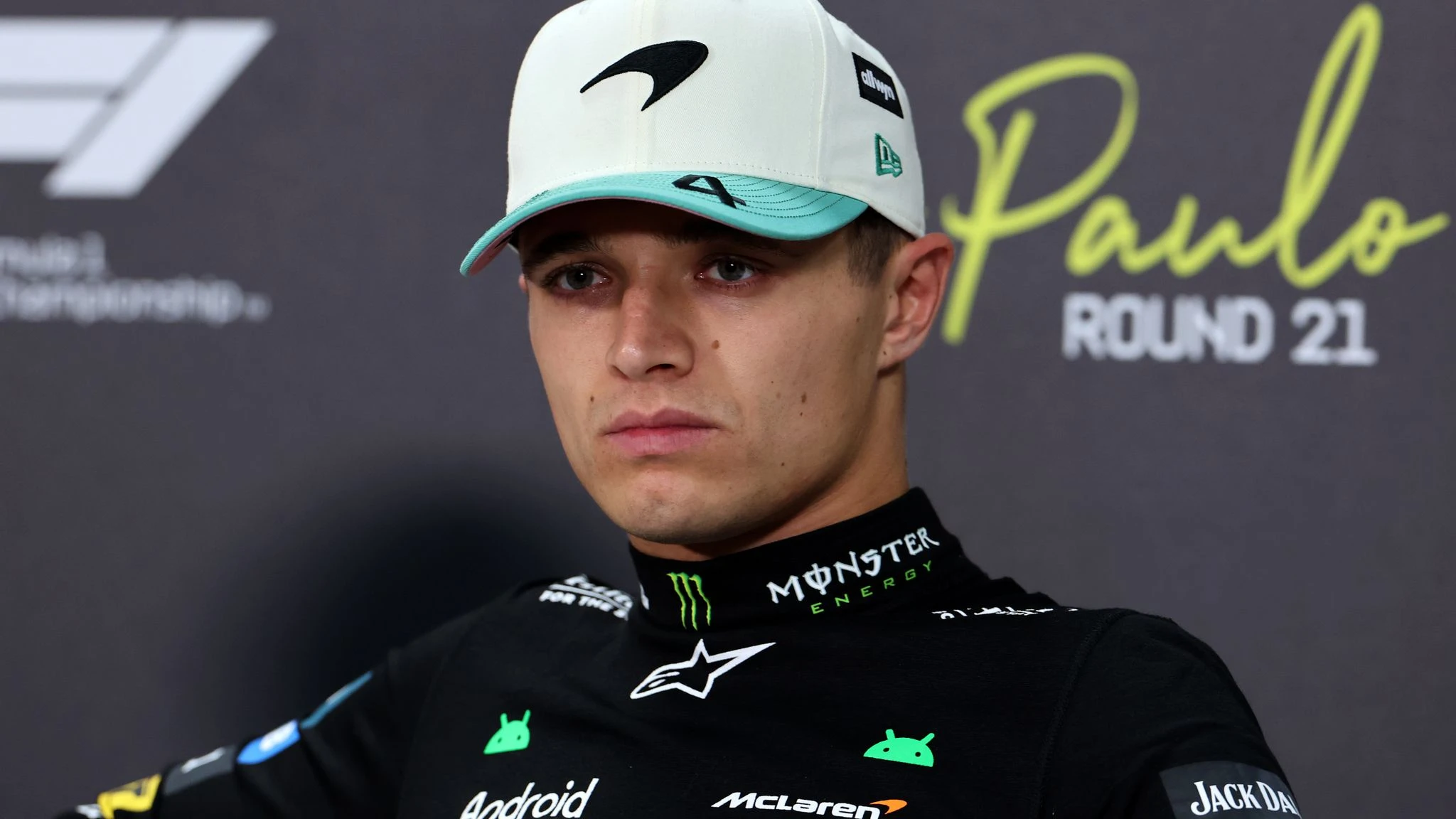
Lando Norris’ ex-girlfriend, Magui Corceiro, just made her first public move since their breakup. She popped up in the comments on his latest Instagram post, throwing a little shade or maybe just having some fun. “Nice pjs, you're welcome,” she wrote under a photo of Norris bundled up in red tartan pants, sharing snaps from his snowy off-season break.
Their split made headlines last week. Norris, 26, and Corceiro, 23, have been on and off since 2023, but now it looks like they’re done for real. Just two months ago, everything seemed perfect; they were celebrating Norris’ first F1 world title together in Abu Dhabi. Now, Magui’s dropping playful comments on his posts, and the whole thing feels a world away from those happy days.
Rumours started flying when a video from Bahrain testing surfaced. In it, Carlos Sainz asked Norris, “Are you and Magui good?” Norris replied, “No, I’m a single man.” The audio wasn’t crystal clear, but that was enough to set tongues wagging. F1 correspondent Kym Illman later confirmed the breakup, telling his Instagram followers, “It’s definitely true.”
There’d already been signs that things were cooling off. After Norris’ big win last season, the couple drifted apart. At a celebratory party in Bahrain, everyone important to Norris was there except Magui. That stood out.
Back in December, Corceiro was emotional after watching Norris clinch the championship. She later told TV Guia, “There’s no rule for going public... I’m very happy, he’s very happy, and that’s what matters.” She joined in the victory celebrations with Norris’ family and the McLaren crew, partying until sunrise and reportedly racking up a massive bar tab.
Corceiro, who’s from Santarem, Portugal, is more than just Norris’ ex. She’s an actress, model, and social media star with a huge following of 800,000 fans on TikTok alone. She’s appeared in Portuguese dramas, featured in campaigns for brands like Intimissimi and Alo Yoga, and even competed on Portugal’s Dancing with the Stars. She co-founded an eco-friendly swimwear brand, Missus, and has graced Vogue Portugal’s pages.
Their relationship was always in the spotlight. Norris once told Vogue about Magui, saying, “She’s someone I can very much be myself with. Very down to earth, and she lives quite a crazy life as well. It’s nice when we can both just rent a boat for the day or go home together and chill.” He joked about trying to get her into golf; she hates it.
Now, though, it looks like they’ve called it quits. Neither of them has made an official announcement, but judging by the recent social media moves and all the talk in the paddock, it’s pretty clear they’ve gone their separate ways.

FIA TWEAKS 2026 F1 RULES AFTER DRIVER FEEDBACK IMPROVES QUALIFYING ENERGY MANAGEMENT SAFETY
Following driver feedback, the FIA, F1, and teams have agreed on 2026 rule changes. We break down the energy and safety adjustments.

Mohammed Ben Sulayem has spoken out on the recent developments, and the FIA has laid out the specific changes coming up.
After a “high-level” meeting earlier today that brought together some key figures in the sport, including teams, drivers, sponsors, and FIA representatives, the FIA president issued a statement addressing the 2026 regulation updates. These adjustments come just after several stakeholders expressed concerns, with the Miami Grand Prix in May set as the backdrop for some refinements.
Despite Formula 1 taking a pause prompted by the cancellation of the Saudi and Bahrain Grands Prix due to ongoing conflicts in the Middle East, the sport’s leadership came together on Monday. Their focus: the 2026 rules, which have already stirred debate just three races in, including criticism from notable figures like Max Verstappen. The four-time world champion, fresh from Red Bull, was notably blunt, even likening the new 50/50 split power units to “Formula E on steroids" and hinting at the possibility of retirement.
Safety concerns have also come to the forefront, particularly following Oliver Bearman’s crash in Japan, with the FIA pointing to increased closing speeds as a contributing factor. The new cars, powered by a half-electric and half-combustion system, come with significant design changes: lighter, shorter, narrower, and engineered for less drag and downforce. Also, the traditional drag reduction system has given way to an active aero system that shifts the car's shape depending on whether it’s negotiating corners or flying down straights.
Talks around tweaking the regulations have been ongoing throughout April. Another round took place today among F1 CEOs, with a final draft due to be sent to the FIA World Motor Sport Council for approval before the next race.
In his statement, Ben Sulayem, who’s been at the FIA helm since December 2021, emphasised the collaborative efforts across teams, drivers, and manufacturers, praising their quick, constructive engagement despite the calendar gap caused by external circumstances. He highlighted that safety and fair competition remain the FIA’s top priorities and that input from drivers has played a central role in shaping the adjustments. Looking ahead, he expressed optimism for an exciting remainder of the 2026 season.
When Formula 1 returns on May 3 with the Miami Grand Prix, we’ll see the impact of these refinements.
According to the FIA, the changes agreed upon cover several areas:
For qualifying, energy management has been tweaked; maximum recharge has dropped from 8 MJ to 7 MJ to curb excessive energy harvesting and promote steadier full-throttle driving. Superclip power has been bumped up from 250kW to 350kW, meaning drivers will spend less time managing energy and more time pushing hard. These changes will apply in races too. Also, more races will allow alternative energy limits to better match different track demands.
On race day, boosting power is limited to +150 kW or the car’s power at activation, if higher, to avoid sudden performance jumps. MGU-K deployment remains at 350kW in critical acceleration zones but is capped at 250kW elsewhere to temper closing speeds while trying to keep overtaking viable.
Starting procedures are also getting safety upgrades. A “low power start detection” system can now spot cars accelerating slower than expected just after clutch release, automatically triggering MGU-K deployment to maintain minimal acceleration and reduce start-related risks. Plus, a new visual warning with flashing lights on affected cars will alert others behind. To address previous glitches, the energy counter will reset at the start of the formation lap.
For wet conditions, intermediate tyre blankets will run hotter, improving grip and early tyre performance. ERS deployment gets scaled back to reduce torque spikes and help control on slippery surfaces. The rear light system has been simplified for better visibility, giving drivers clearer signals when conditions worsen.
All of these proposed refinements are up for an electronic vote by the FIA World Motor Sport Council before they take effect in Miami.
HOW CARLOS SAINZ "SMELLED" WILLIAMS’ 2026 F1 STRUGGLES ARRIVING MONTHS BEFORE THE START
Williams F1 is struggling in 2026. Carlos Sainz reveals he saw the "painful" slump coming early. Discover why the car is overweight.
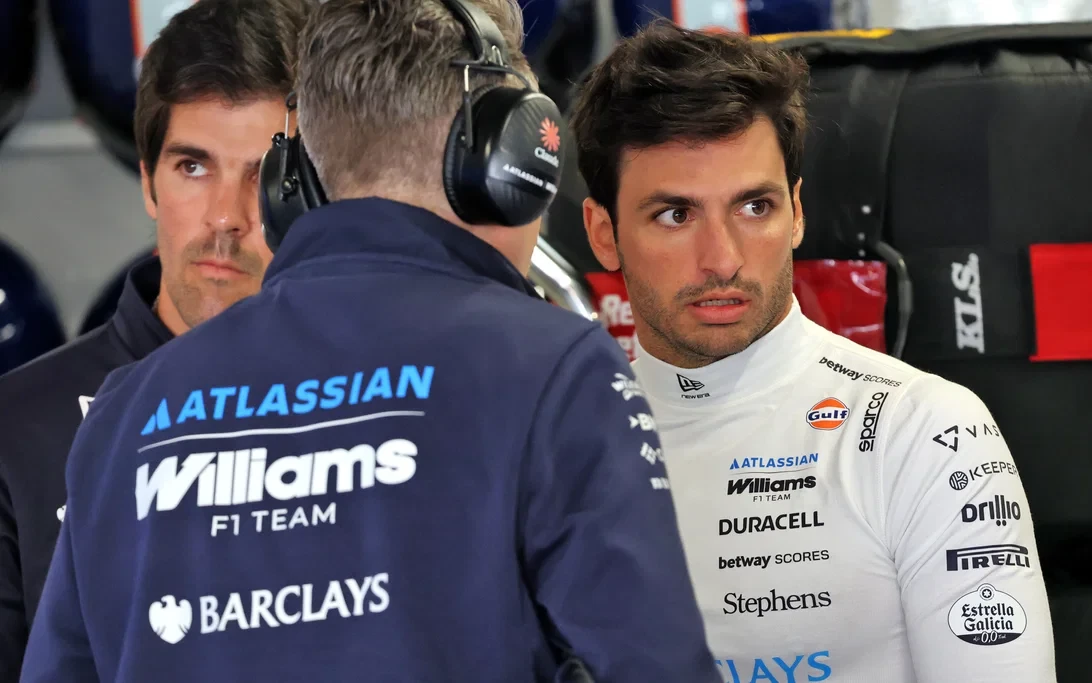
The start of the year has been tough for Williams, as they’ve found themselves struggling near the back of the F1 pack.
Carlos Sainz has shared that he sensed these difficulties even before the new season kicked off, especially with all the changes introduced by the fresh technical rules.
This year, the cars saw significant shifts both in power units and aerodynamics, which Williams had hoped would offer a chance to move up from last year’s fifth place in the standings.
Unfortunately, they missed the initial shakedown test and have been dealing with a heavier car than expected, which has held them back in the rankings.
Sainz admits that the extent of the challenges took the team by surprise.
“For sure, it’s been a shock for me, the team, James, Alex, and all the engineers,” he told various media outlets, including RacingNews365.
“It’s no secret that it’s been tough. I actually started to sense it back in December or January.
“I was bracing myself because we began hearing about delays, missing that first test, and then the overweight figures came up. It just didn’t look promising right from the start.”
Right now, Williams sits ninth after three races, with Sainz grabbing two points at the Chinese Grand Prix.
Though they’re far from competing with the front runners, Sainz believes the team can work their way out of this slump.
“From the moment the bump hit, I knew Williams would face some rough patches,” he said.
“Success rarely follows a straight path, so hitting a bump was expected. But this one is bigger than I thought.
“It really comes down to resilience – how the team recovers from this.
“If this setback helps expose and fix the deeper issues the team had, whether in production, design, or managing overweight chassis and parts, then it might actually trigger a big leap forward.
“For me, it’s about watching how we bounce back from something more serious than anyone had anticipated.”